
Fitness
Foundation Training: Complete 2026 Guide to Movement, Strength, and Posture

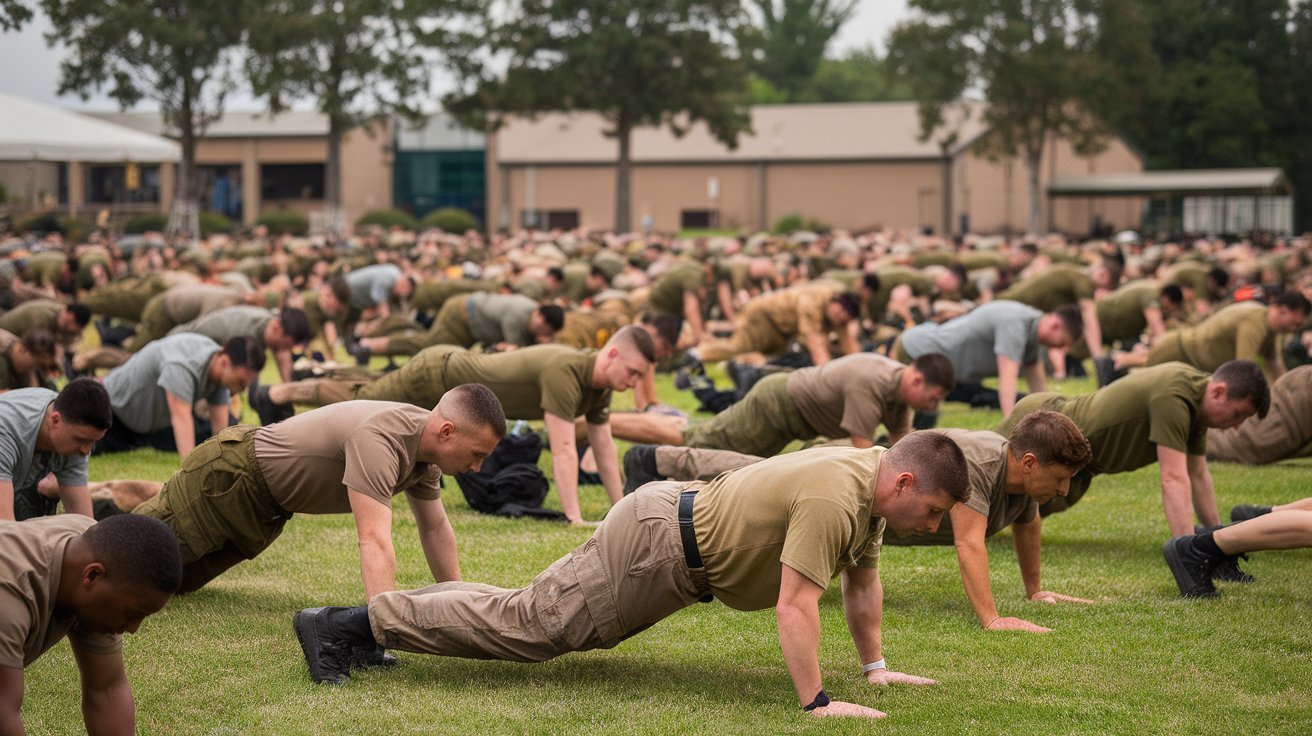
Foundation Training is a movement and exercise method designed to improve body awareness, posture, strength, stability, and movement patterns through intentional positions and controlled breathing. Developed by Dr. Eric Goodman, the method has become widely known for exercises that emphasize the posterior chain, hips, feet, core, and the relationship between breathing and movement. Unlike traditional gym routines that often isolate individual muscles, Foundation Training encourages the body to work as a connected system.
In 2026, Foundation Training continues to provide guided programs, individual workouts, educational resources, and instructor certification. Many of the exercises require little or no equipment, making the method accessible for people who want to practice movement at home or in other suitable spaces. The approach centers on principles such as decompression, anchoring, posture, intentional muscle engagement, and controlled breathing.
What Is Foundation Training?
Foundation Training is a corrective exercise and movement system that teaches people to create length, stability, and stronger muscular support through specific positions and breathing techniques. Rather than focusing entirely on one muscle or joint, the method encourages coordinated movement across multiple parts of the body.
The official Foundation Training program describes its approach as targeting movement patterns, muscle imbalances, body alignment, joint stability, posture, and overall movement quality. Exercises are designed to encourage greater awareness of how the feet, hips, posterior chain, spine, and breathing mechanics work together.
A major concept is that movement quality matters. Instead of simply increasing repetitions or making an exercise more difficult, practitioners are encouraged to develop control, awareness, and consistency. This makes Foundation Training different from exercise programs focused primarily on lifting heavier weights or performing high-intensity workouts.
The Core Principles of Foundation Training
The Foundation Training method is built around several important concepts. One of the best-known is Decompression Breathing, which combines posture and breathing with intentional muscular engagement. Another central principle is anchoring, which focuses on creating stability through the feet, hips, and surrounding muscle chains.
The method also uses ideas related to integration and movement patterns. Instead of treating the body as separate sections, Foundation Training encourages coordinated movement. Exercises may involve hinging at the hips, engaging the posterior chain, maintaining controlled alignment, and using breath to support the position.
The official exercise materials include movements such as Anchoring, decompression positions, hip-hinge patterns, bridges, squats, planks, and the well-known Founder exercise. These movements can vary in difficulty, allowing people to begin with foundational positions before exploring more challenging variations.
Foundation Training Exercises and the Founder Movement
The Founder is one of the most recognizable exercises associated with Foundation Training. It is based on a controlled hip-hinge position and is intended to encourage coordinated engagement throughout the posterior chain while maintaining intentional body positioning.
Other exercises used within the method include Anchored Back Extension, Anchored Bridge, Integrated Hinge, Kneeling Founder, Forward Fold, Foundation Training Squat, Woodpeckers, and the Eight-Point Plank. These exercises appear within the Foundation Training certification curriculum and educational materials.
A Foundation Training session may also include breathing-focused positions, standing movements, floor exercises, and controlled mobility work. The exact combination depends on the person’s experience and the particular program being followed.
Because technique is important, beginners can benefit from guided instruction rather than attempting advanced positions immediately. The official program recommends starting with its foundational material and moving at a pace that allows the practitioner to understand the cues and become familiar with the positions.
Potential Benefits of Foundation Training
People are often interested in Foundation Training because of its focus on strength, posture, movement awareness, balance, and stability. The program is designed to help participants develop more intentional movement patterns rather than relying only on isolated muscle training.
Athletes may use the principles as part of a broader approach to movement preparation and body awareness. The official Foundation Training website describes applications related to performance, recovery, movement patterns, and physical sustainability.
For everyday movement, the principles can also be applied to activities such as standing, sitting, bending, and lifting. The goal is to develop greater awareness of body positioning and muscular support during ordinary movements rather than treating exercise as something completely separate from daily life.
Results will vary between individuals, and exercise should not be treated as a guaranteed cure for pain or injury. Anyone with an injury, persistent pain, dizziness, or another medical concern should seek appropriate guidance before beginning or modifying an exercise routine.
How Beginners Can Start Foundation Training
A beginner should focus first on understanding the basic principles of breathing, posture, anchoring, and controlled movement. Starting with easier positions can provide a foundation before progressing to more complex exercises. The official FT Streaming guidance recommends beginning with its “Build Your Foundation” material to learn the core tools used throughout the method.
The quality of each repetition is generally more important than trying to perform a large amount of exercise. A movement should feel controlled and purposeful. According to Foundation Training’s support guidance, practitioners may notice muscular work in areas such as the glutes, hamstrings, back line, feet, hips, and breathing muscles, but sharp pain, numbness, dizziness, or other unsafe symptoms are signals to stop or choose a gentler option.
For teenagers and beginners, a sensible approach is to prioritize learning technique, maintaining control, and building consistency rather than attempting difficult positions or extreme training sessions. A qualified instructor can also provide feedback on form and suitable exercise modifications.
Foundation Training, Strength, and Everyday Movement
Foundation Training can complement other forms of physical activity because it emphasizes movement awareness rather than replacing every other type of exercise. Walking, sports, age-appropriate strength training, and other activities can all have different roles in a balanced lifestyle.
The method’s focus on the posterior chain is particularly notable. This term generally refers to muscles along the back of the body that contribute to activities involving standing, hip movement, and body support. Foundation Training exercises often encourage these muscles to work together with the hips, feet, trunk, and breathing mechanics.
The official program also emphasizes that greater intensity is not always better. Better control and clearer awareness can be more valuable than simply pushing harder.
This principle can make Foundation Training appealing to people who prefer deliberate movement over highly competitive or equipment-heavy workouts.
Foundation Training Programs and Instructor Certification in 2026
In 2026, Foundation Training offers digital programs, guided workouts, and a network of instructors. The official streaming platform includes programs, protocols, calendars, individual workouts, and community resources, while the Find a Trainer directory helps users locate certified instructors for online or in-person guidance.
The Foundation Training certification pathway includes online education, an in-person skills-training component, student teaching, and a final skills assessment. The curriculum covers topics such as Decompression Breathing, Anchoring, Integration, the nervous system, movement patterns, and program planning.
For people interested only in personal exercise, certification is not necessary. Guided beginner programs may be a more appropriate way to become familiar with the method.
Conclusion
Foundation Training is a movement-based exercise method that combines breathing, posture, anchoring, hip movement, posterior-chain engagement, and controlled exercise. Its best-known movements, including the Founder, are part of a broader system designed to encourage stronger support and greater awareness of how the body moves.
In 2026, Foundation Training remains accessible through guided digital programs and certified instructors. The most effective approach is to begin with the fundamentals, focus on proper control rather than intensity, and progress gradually. For anyone exploring a new movement routine, consistency, good technique, and appropriate professional guidance when needed provide a stronger foundation for long-term physical activity.

Lexus Key Fob Battery: Replacement, Signs, Cost and Complete 2026 Guide

BMW M440i Gran Coupe 2026: Performance, Features, Interior, and Specifications

Charlie Kirk Shooting YouTube: What the Videos Show and How to Verify Information

Samantha Struthers Rader: Biography, Career, Family, and the Inspiring Journey of Dr. Sam

Stacie Zabka: Everything You Need to Know About William Zabka’s Wife

Ryan Kiera Armstrong: Biography, Movies, TV Shows, Career, Family, and Latest Updates (2026 Guide)
 News3 months ago
Samantha Struthers Rader: Biography, Career, Family, and the Inspiring Journey of Dr. Sam
- celebrity3 months ago
Stacie Zabka: Everything You Need to Know About William Zabka’s Wife
- celebrity2 months ago
Ryan Kiera Armstrong: Biography, Movies, TV Shows, Career, Family, and Latest Updates (2026 Guide)
- celebrity2 months ago
Brecken Merrill Parents: Everything About His Family Background, Childhood, and Support System
- celebrity2 months ago
Priscilla Love Vanwinkle: Biography, Background, Family Connections, and Personal Story
- celebrity2 months ago
Imogen Lucie Age: Biography, Career, Height, Family, Net Worth, and Social Media (2026 Guide)
- celebrity2 months ago
Moses Hacmon Net Worth: Biography, Career, Income Sources, and Financial Overview in 2026
- Blog2 months ago
@RedandWhiteMagz.com: A Complete Guide to the Digital Magazine and Blog in 2026