
Blog
Hummer EV Crab Walk: The Revolutionary Feature Changing Off-Road Driving in 2026

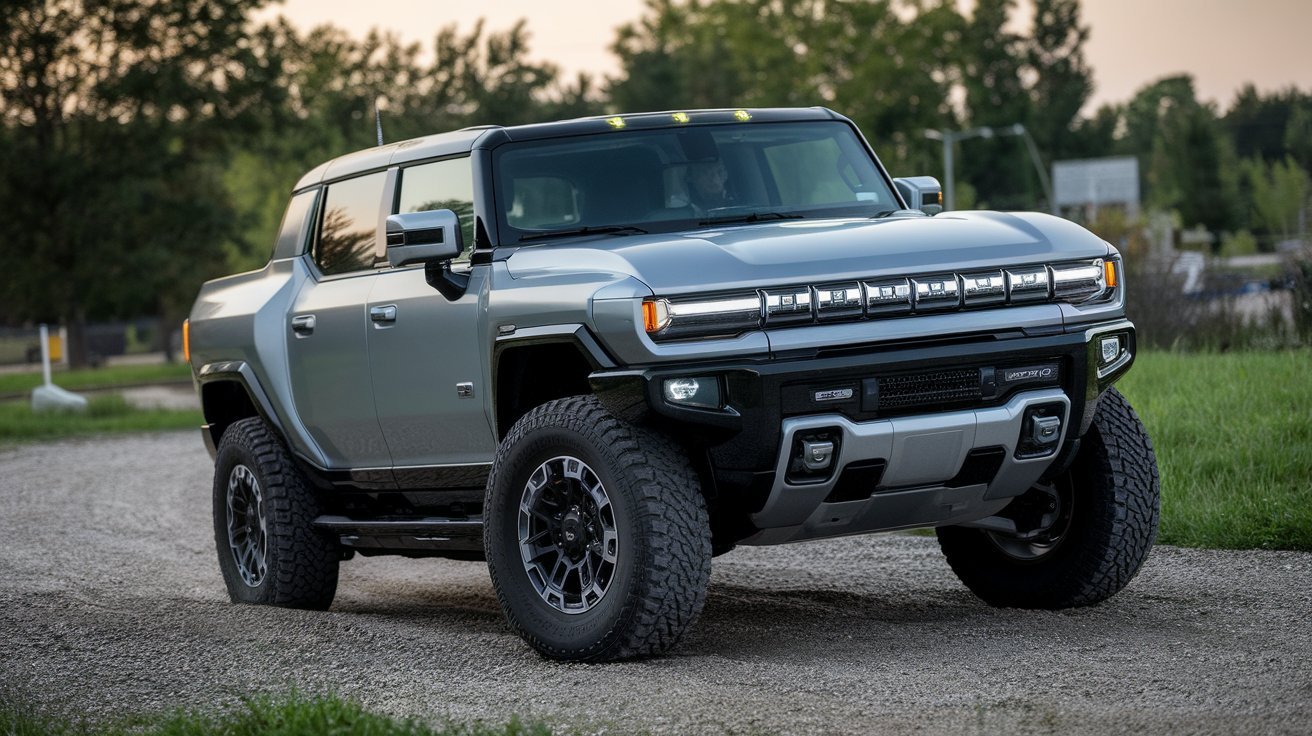
The automotive industry has witnessed remarkable innovations over the past decade, but few features have captured as much attention as the Hummer EV Crab Walk. Introduced as one of the most advanced technologies in the electric truck segment, Crab Walk transformed the way drivers navigate challenging terrain, tight trails, and difficult off-road environments. As the popularity of electric trucks continues to grow in 2026, the Hummer EV remains one of the most technologically advanced vehicles on the market, with Crab Walk standing out as one of its signature capabilities.
Designed to enhance maneuverability and improve off-road performance, Crab Walk allows the vehicle to move diagonally, creating possibilities that were previously impossible for traditional trucks and SUVs. This innovation demonstrates how electric vehicle platforms can unlock entirely new driving experiences that go beyond simple electrification.
What Is Hummer EV Crab Walk?
Crab Walk is a unique steering function available on the GMC Hummer EV. Unlike conventional vehicles where only the front wheels turn during normal driving, the Hummer EV features an advanced four-wheel steering system that allows both the front and rear wheels to turn in the same direction.
When Crab Walk mode is activated, all four wheels turn simultaneously at low speeds, enabling the vehicle to move diagonally. Instead of traveling strictly forward or backward, the Hummer EV can effectively “walk” sideways at an angle, similar to the movement of a crab.
This innovative feature is made possible by the vehicle’s electric architecture, sophisticated steering controls, sensors, and software systems working together in real time.
The result is improved maneuverability in situations where traditional vehicles would struggle to find a suitable path.
How Does the Hummer EV Crab Walk System Work?
The Crab Walk feature relies on the Hummer EV’s advanced four-wheel steering technology. In a traditional truck, only the front wheels steer the vehicle. The rear wheels remain fixed and simply follow the front tires.
In the Hummer EV, both front and rear wheels actively participate in steering. When Crab Walk mode is engaged:
- Front wheels turn in one direction.
- Rear wheels turn in the same direction.
- Vehicle movement shifts diagonally.
- Steering angles are precisely controlled through software.
- Driver inputs are translated into coordinated wheel movements.
The system functions primarily at lower speeds where maximum precision is needed. Drivers can activate Crab Walk through the vehicle’s drive mode controls, allowing seamless transitions between normal driving and specialized off-road operation.
The electric platform provides the responsiveness necessary to execute these complex steering adjustments accurately and safely.
Why Crab Walk Is Important for Off-Road Driving
Off-road enthusiasts often encounter situations where traditional vehicle movement becomes restrictive. Narrow trails, rocky paths, steep obstacles, and confined spaces can make navigation extremely difficult.
The Hummer EV Crab Walk feature provides several important advantages:
Improved Trail Navigation
Many off-road routes contain obstacles that require careful tire placement. Crab Walk enables drivers to adjust their position without making multiple steering corrections.
Enhanced Obstacle Avoidance
Large rocks, deep ruts, fallen branches, and uneven terrain can be bypassed more effectively using diagonal movement.
Reduced Multi-Point Maneuvering
In tight spaces, traditional trucks often require repeated forward and reverse movements. Crab Walk minimizes these adjustments.
Greater Driver Confidence
The ability to move diagonally gives drivers more options when confronting difficult terrain, reducing stress during off-road adventures.
These benefits make the feature particularly valuable for serious off-road enthusiasts exploring remote environments.
The Technology Behind Hummer EV Crab Walk
Crab Walk is not simply a steering trick. It represents a combination of several advanced technologies working together.
Four-Wheel Steering
The foundation of Crab Walk is the Hummer EV’s sophisticated rear-wheel steering system. Rear wheels can steer several degrees in coordination with the front wheels.
Electric Vehicle Architecture
The electric platform provides rapid communication between control systems, enabling smooth and precise steering responses.
Integrated Sensors
Numerous sensors monitor wheel positions, steering angles, vehicle speed, and driver commands.
Advanced Software
Powerful onboard computers continuously calculate wheel movements and adjust steering behavior to maintain stability and safety.
Drive Mode Integration
Crab Walk works alongside other off-road technologies, creating a comprehensive performance package designed for demanding conditions.
Together, these components create one of the most innovative vehicle control systems available in the automotive industry.
Benefits of Hummer EV Crab Walk in Everyday Driving
Although Crab Walk was designed primarily for off-road situations, it also offers practical advantages in daily driving environments.
Parking Assistance
Navigating tight parking lots becomes easier thanks to enhanced maneuverability.
Urban Driving Convenience
Drivers can position the vehicle more accurately in confined areas.
Improved Turning Radius
The four-wheel steering system helps reduce the space needed for certain maneuvers.
Better Control in Tight Locations
Construction sites, narrow roads, and crowded environments can become less challenging to navigate.
While most drivers may not use Crab Walk every day, the underlying steering technology improves overall vehicle handling in a variety of situations.
How Crab Walk Compares to Traditional Off-Road Vehicles
Traditional off-road trucks rely on large tires, locking differentials, suspension systems, and driver skill to navigate difficult terrain.
The Hummer EV includes these capabilities while adding an entirely new dimension of mobility.
Traditional Trucks
- Front-wheel steering only
- Wider turning requirements
- More repositioning during obstacles
- Limited diagonal movement
Hummer EV with Crab Walk
- Four-wheel steering capability
- Diagonal vehicle movement
- Enhanced obstacle avoidance
- Greater maneuverability
- Improved precision on technical trails
This difference represents a significant evolution in off-road vehicle design and highlights the possibilities enabled by electric vehicle technology.
Challenges and Limitations of Crab Walk
Despite its impressive capabilities, Crab Walk is not intended for every driving situation.
Low-Speed Operation
The feature works best at slower speeds where precise control is possible.
Specific Terrain Applications
Crab Walk is most useful in off-road environments rather than highway driving.
Learning Curve
Drivers may need time to become comfortable with diagonal vehicle movement.
Technology Complexity
The sophisticated hardware and software required for Crab Walk contribute to the vehicle’s advanced engineering and premium positioning.
Even with these considerations, the benefits generally outweigh the limitations for drivers seeking maximum off-road capability.
The Future of Crab Walk Technology
As electric vehicles continue evolving, features like Crab Walk may become more common across different vehicle categories.
Automakers are increasingly exploring:
- Advanced steering systems
- AI-assisted off-road navigation
- Enhanced maneuverability technologies
- Autonomous terrain management
- Smart vehicle positioning systems
The Hummer EV demonstrated that electric platforms can introduce capabilities beyond traditional performance improvements. Crab Walk may serve as a blueprint for future innovations in both consumer and commercial vehicles.
Conclusion
The Hummer EV Crab Walk feature represents one of the most groundbreaking advancements in modern automotive engineering. By enabling diagonal movement through advanced four-wheel steering technology, it provides exceptional maneuverability, improved obstacle avoidance, and enhanced off-road capability. In 2026, Crab Walk remains one of the defining features that separates the Hummer EV from conventional trucks and SUVs. Whether navigating rocky trails, narrow pathways, or challenging terrain, this revolutionary system showcases how electric vehicles can redefine what drivers expect from off-road performance and vehicle control.
Frequently Asked Questions (FAQ)
What is Hummer EV Crab Walk?
Crab Walk is a four-wheel steering feature that allows the Hummer EV to move diagonally by turning all four wheels in the same direction.
Can the Hummer EV actually drive sideways?
Not completely sideways. The vehicle moves diagonally, creating a crab-like motion that improves maneuverability.
Is Crab Walk available on all Hummer EV models?
Availability depends on the specific trim level and model configuration offered by GMC.
Does Crab Walk work at highway speeds?
No. The system is designed primarily for low-speed operation and off-road situations.
Why is Crab Walk useful off-road?
It helps drivers navigate obstacles, tight trails, rocks, and difficult terrain more effectively.
Is the Hummer EV the first vehicle with Crab Walk technology?
The Hummer EV popularized the feature and became one of the first production vehicles to offer this highly advanced diagonal driving capability on a large scale.
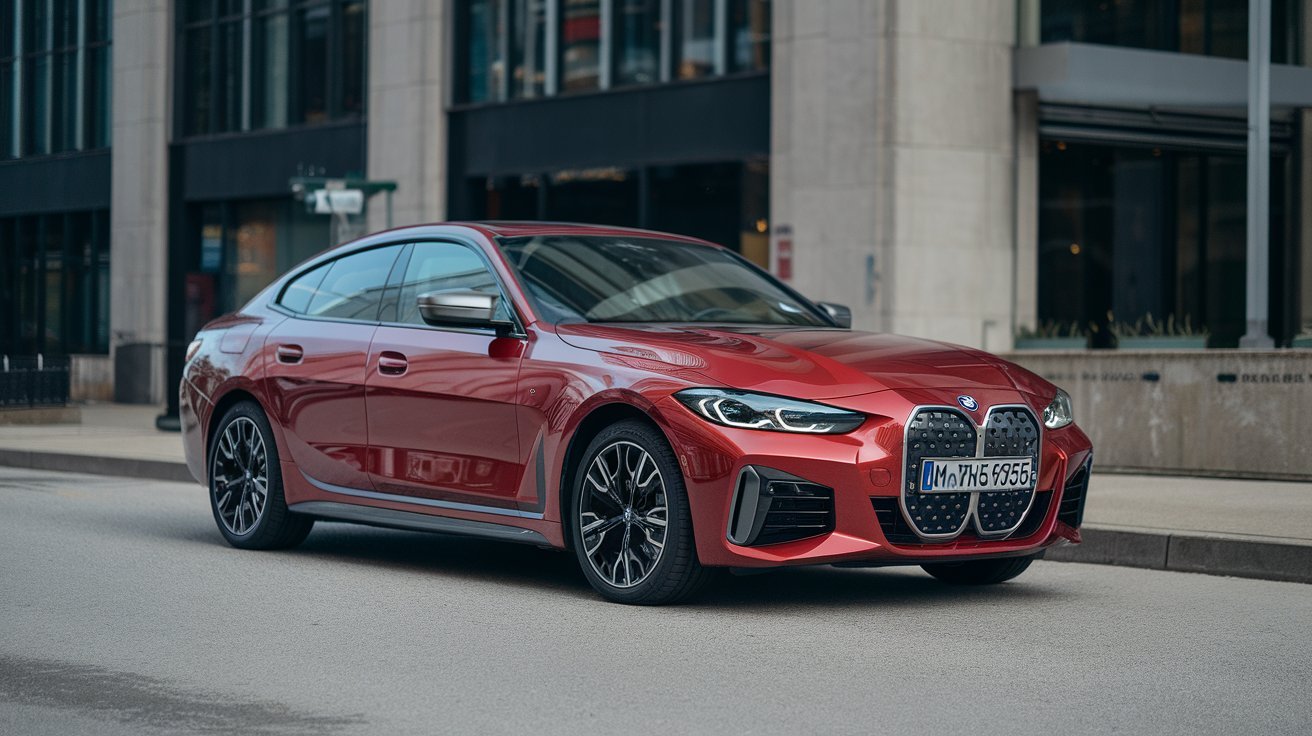
The BMW M440i Gran Coupe brings together the character of a performance car with the practicality of a four-door luxury vehicle. Positioned near the top of the BMW 4 Series Gran Coupe range, the M440i combines a powerful 3.0-liter BMW M TwinPower Turbo inline-six, sophisticated chassis technology, premium equipment, and the distinctive fastback styling associated with the Gran Coupe name.
For 2026, the M440i Gran Coupe remains an appealing option for drivers who want strong acceleration without moving into the more extreme territory of a full BMW M4. In the U.S. lineup, the M440i Gran Coupe is offered with rear-wheel drive, while the M440i xDrive Gran Coupe adds BMW’s all-wheel-drive system. BMW currently lists the M440i at a starting MSRP of $65,100 and the M440i xDrive at $67,100.
BMW M440i Gran Coupe Engine and Performance
At the heart of the BMW M440i Gran Coupe is a 3.0-liter turbocharged inline-six-cylinder engine. BMW’s M440i powertrain combines BMW M engineering with 48-volt mild-hybrid technology, helping provide responsive acceleration while supporting efficiency.
The current U.S.-specification M440i produces 386 horsepower, according to BMW. The M440i xDrive Gran Coupe is listed with a manufacturer-estimated 0–60 mph time of 4.3 seconds, while the rear-wheel-drive M440i reaches 60 mph in a listed 4.6 seconds. BMW notes that its acceleration figures are preliminary test results and can vary according to vehicle specification, conditions, testing procedures, and driving style.
The mild-hybrid system is designed to complement rather than replace the gasoline engine. BMW’s 48-volt technology can provide additional electrical assistance during acceleration and helps recover energy during braking. Earlier BMW technical documentation described an electric boost effect of up to 11 horsepower from the 48-volt starter-generator.
Power is delivered through an eight-speed automatic transmission. Depending on configuration, buyers can choose rear-wheel drive or xDrive all-wheel drive, giving the M440i lineup flexibility for different driving conditions.
M440i Gran Coupe xDrive and Driving Dynamics
The M440i xDrive Gran Coupe is particularly focused on combining everyday usability with high-performance driving. BMW equips the model with performance-oriented chassis hardware, including an M Sport differential, M Sport brakes, variable sport steering, and M Sport suspension.
The xDrive system can provide additional traction when accelerating, particularly when road conditions are less than ideal. That makes the all-wheel-drive version useful for drivers who want the performance characteristics of the M440i while also placing a higher priority on traction.
The suspension and steering systems are equally important to the vehicle’s character. The M440i is designed to respond quickly to steering inputs while maintaining stability at higher speeds. Its chassis technology allows the car to function as a comfortable daily driver while retaining a distinctly sporty personality.
BMW also gives the M440i a performance-oriented exterior treatment. Depending on configuration and market, equipment includes M-specific styling elements, aerodynamic components, performance brakes, sport wheels, and Shadowline exterior details.
BMW M440i Gran Coupe Exterior Design
The Gran Coupe body style gives the M440i a different character from a traditional sedan. Its four-door configuration provides easier rear-seat access while the sloping roofline creates a coupe-inspired appearance.
The current 4 Series Gran Coupe measures approximately 188.5 inches in length, 72.9 inches in width, and 56.8 inches in height, with a 112.4-inch wheelbase in BMW’s published U.S. specifications.
The M440i’s design emphasizes the performance-oriented identity of the model. M aerodynamic components, distinctive wheels, sport brakes, rear spoiler elements, and model-specific trim contribute to its appearance.
The result is a vehicle that occupies an interesting position between conventional executive sedans and two-door performance coupes. It provides four doors and useful cargo access without abandoning the low-slung proportions expected from a sporty BMW.
BMW M440i Interior and Technology
Inside, the BMW M440i Gran Coupe focuses on a combination of driver-oriented controls, premium materials, and modern digital technology. Sport seats and an M-oriented steering wheel help distinguish the cabin from less performance-focused versions of the 4 Series Gran Coupe.
BMW’s Gran Coupe interior also emphasizes everyday practicality. The rear seats can accommodate passengers, while the folding rear-seat configuration expands cargo-carrying capability when needed. BMW’s published specifications give the 4 Series Gran Coupe approximately 12.0 cubic feet of trunk volume in its U.S. specification.
Available equipment can include features such as a head-up display, heated front seats, heated steering wheel, ambient lighting, premium audio, wireless smartphone charging, and other convenience technologies, depending on configuration and package selection.
This balance is one of the M440i’s defining characteristics. The cabin is intended to be comfortable enough for everyday commuting but still gives the driver the visual and tactile cues associated with BMW’s performance models.
BMW M440i Gran Coupe Practicality and Everyday Use
Despite its performance credentials, the M440i Gran Coupe is not designed solely as a weekend sports car. Its four-door layout, five-seat configuration, and hatchback-style rear opening make it considerably more practical for everyday use than many traditional coupes.
The rear seats provide useful passenger space, although buyers should remember that the sloping roofline prioritizes styling as well as practicality. BMW’s specifications list approximately 34.9 inches of second-row legroom and 36.6 inches of second-row headroom for the U.S.-specification vehicle.
The large rear opening is particularly useful when carrying bulky items. BMW’s European technical data for the current M440i xDrive Gran Coupe lists luggage capacity of approximately 470 to 1,290 liters, depending on seat configuration. Exact equipment and specifications can vary by market.
That makes the M440i Gran Coupe a compelling format for drivers who want performance, luxury, passenger space, and cargo flexibility in one vehicle.
BMW M440i Gran Coupe Price and Available Configurations
Pricing depends on drivetrain, options, destination charges, taxes, and market. For the current U.S. lineup, BMW lists the M440i Gran Coupe from $65,100, while the M440i xDrive Gran Coupe starts at $67,100.
The difference between the two versions is primarily drivetrain-related. The standard M440i uses rear-wheel drive, while the M440i xDrive adds BMW’s all-wheel-drive system. Buyers should also consider optional packages and individual equipment because they can significantly change the final transaction price.
BMW’s official specifications and equipment can vary between countries. For that reason, shoppers should check the specifications for their particular market rather than assuming that U.S., European, or other international versions have identical equipment.
BMW M440i Gran Coupe vs. Full M Performance Cars
The BMW M440i Gran Coupe occupies an important middle ground in BMW’s performance lineup. It delivers substantial power and sophisticated chassis technology without being positioned as the full-strength M4 Gran Coupe equivalent.
For many drivers, this format offers a useful balance. The M440i provides a six-cylinder turbocharged engine, M Sport hardware, premium interior features, and rapid acceleration, while retaining characteristics appropriate for everyday driving.
The model also benefits from the practicality of its four-door Gran Coupe design. Rather than requiring buyers to choose between a performance-oriented vehicle and a usable daily car, the M440i combines both concepts into a single package.
Final Thoughts on the BMW M440i Gran Coupe
The BMW M440i Gran Coupe stands out because it combines several different automotive priorities. Its turbocharged inline-six provides strong performance, the 48-volt mild-hybrid system supports powertrain responsiveness, and the available xDrive all-wheel-drive system adds traction.
At the same time, the four-door Gran Coupe body provides practical advantages over a traditional coupe. Premium interior equipment, modern technology, M-specific styling, and sophisticated suspension components further establish the M440i as a performance-focused luxury vehicle.
For 2026 shoppers researching the BMW M440i Gran Coupe, the key specifications to examine are drivetrain, available packages, equipment, pricing in the relevant market, and whether rear-wheel drive or xDrive better suits their needs. BMW’s official U.S. information currently lists 386 horsepower, a starting price of $65,100 for the M440i, and $67,100 for the M440i xDrive, with the xDrive version achieving a listed 0–60 mph time of 4.3 seconds.
Overall, the M440i Gran Coupe represents BMW’s formula of combining luxury, performance, technology, and everyday practicality in one fastback-style four-door automobile.

The Boston Crusaders 2025 season became a landmark chapter in the history of one of America’s most established drum corps. Celebrating its 85th anniversary, the Boston Crusaders entered the 2025 Drum Corps International (DCI) season with an ambitious national tour, a new competitive program, and a long-established tradition of musical and visual excellence. The season ultimately culminated in the corps winning the 2025 DCI World Championship, earning a finals score of 98.425 in Indianapolis.
For followers searching for Boston Crusaders 2025, the season is notable not simply because of the championship result, but because it brought together the corps’ history, extensive touring schedule, demanding rehearsal program, and high-level brass, percussion, and color guard performances.
Boston Crusaders 2025: The 85th Anniversary Season
The 2025 season marked the 85th anniversary of the Boston Crusaders. The organization celebrated the milestone through a series of events designed to connect current members, alumni, families, supporters, and fans. The official anniversary program included events in San Antonio, Salem, and Indianapolis.
The anniversary was especially meaningful because the Boston Crusaders had already established themselves as a consistent presence in DCI’s World Class Finals. According to the organization, the corps has been a World Class finalist since 1999 and had previously earned silver medals in 2022 and 2024. The 2025 season therefore added another significant achievement to an already long competitive history.
The organization also describes its mission as helping members reach their highest potential as both people and artists, combining education, competition, artistic development, athletic discipline, and life experiences.
Boston Crusaders 2025 DCI Tour and Schedule
The 2025 Boston Crusaders tour was designed as a genuinely national campaign. The official schedule began with the season premiere in Fort Collins, Colorado, on June 28, followed by performances in Utah and California. The corps then traveled through Arizona, Texas, the Midwest, and back toward the Northeast before finishing the season in Indianapolis.
One particularly notable element was the corps’ return to the West Coast. The Boston Crusaders announced that the 2025 tour would be their first West Coast tour in 12 years, with performances planned in California and Arizona before the corps continued eastward.
The published schedule included major stops such as:
- Fort Collins, Colorado — June 28
- Ogden, Utah — June 30
- Sacramento and Stanford, California — July 5–6
- Glendale, Arizona — July 13
- Denton and San Antonio, Texas — July 17–19
- Lawrence, Massachusetts — July 31
- Allentown, Pennsylvania — August 2
- Downingtown, Pennsylvania — August 3
- Canton, Ohio — August 4
- Indianapolis, Indiana — August 7–9
This extensive schedule reflects the unusual scale of a DCI summer tour, where corps travel thousands of miles while rehearsing and performing almost continuously.
Boston Crusaders 2025 Competitive Performance
The competitive story of Boston Crusaders 2025 developed throughout the summer. Early in the season, Boston was already involved in close contests with other leading World Class corps, including the Blue Devils and Santa Clara Vanguard.
Drum Corps International reported that at the July 6 DCI West event in Stanford, Boston, Blue Devils, and Santa Clara Vanguard occupied the top three positions and were separated by less than two points. DCI also noted that Boston had opened its season with a score advantage over the Blue Devils in Fort Collins and had defeated Santa Clara Vanguard in Sacramento.
These early results demonstrated how competitive the 2025 World Class field was. The season was not simply a straightforward progression toward Indianapolis; Boston had to perform consistently while competing against several of the most prominent corps in the activity.
By the championship portion of the season, Boston had established itself among the leading corps. At 2025 DCI World Championship Semifinals, Boston scored 97.575, placing second behind the Bluecoats’ 97.763.
The final night produced an even more significant result.
Boston Crusaders 2025 World Championship Result
At the 2025 DCI World Championship Finals in Indianapolis on August 9, Boston Crusaders achieved a score of 98.425. The official DCI results list Boston as the World Class champion, ahead of the Bluecoats at 98.250 and Santa Clara Vanguard at 96.700.
The final standings were:
| Place | Corps | Score |
|---|---|---|
| 1 | Boston Crusaders | 98.425 |
| 2 | Bluecoats | 98.250 |
| 3 | Santa Clara Vanguard | 96.700 |
| 4 | Blue Devils | 95.788 |
| 5 | Carolina Crown | 94.800 |
| 6 | Phantom Regiment | 94.300 |
These are the officially certified DCI Finals scores.
The extremely close margin between Boston and the Bluecoats—0.175 points—illustrates just how tightly contested the championship performance was.
Boston Crusaders 2025 Brass, Percussion, and Color Guard
The championship result was supported by strong caption performances. The Boston Crusaders organization reports that its 2025 corps received the Fred Sanford Best Percussion Award and the Jim Ott Best Brass Award, in addition to the George Zingali Best Color Guard Award.
The George Zingali award was particularly notable because Boston had previously won it in 2018, 2019, 2022, and 2024, making the 2025 recognition the organization’s fifth such award.
These caption awards represent different areas of drum corps performance. Brass encompasses the corps’ wind musicians, percussion covers the marching percussion ensemble, and color guard contributes visual performance through movement, equipment, choreography, and staging.
Together, these elements form the integrated musical and visual production that audiences see during a DCI field performance.
What Is the Boston Crusaders Experience Like?
The Boston Crusaders experience extends far beyond competition. The organization explains that members can be up to and including 21 years old, with many participants arriving with experience in high school or college marching bands or other drum and bugle corps.
The season begins with auditions in November and December. Rehearsals begin in January, followed by weekend camps and remote assignments during the spring. Members then move to New England for several weeks of intensive daily rehearsal before beginning the summer tour.
According to the organization, the touring operation includes five buses, two equipment trucks, and a mobile kitchen, with the corps traveling more than 10,000 miles during a typical summer. The summer tour lasts approximately six weeks and culminates with the DCI World Championships in Indianapolis.
This demanding structure explains why drum corps is often described as both an artistic and athletic activity. Members rehearse for long periods, travel extensively, perform under pressure, and live together as a close-knit group.
Boston Crusaders 2025 Legacy
The Boston Crusaders 2025 season now occupies an important place in the corps’ history. The championship added a World Class title to an organization that has maintained a presence in DCI Finals for decades. It also provided a memorable conclusion to the corps’ 85th anniversary season.
The season’s journey—from spring preparation and a cross-country tour to the championship performances in Indianapolis—demonstrated the scale of modern drum corps. Boston’s 2025 campaign included performances across multiple regions, intense competition with established DCI organizations, and recognition across brass, percussion, and color guard.
Most importantly, the official championship record confirms that the Boston Crusaders finished first at the 2025 DCI World Championship Finals with a score of 98.425.
For anyone researching Boston Crusaders 2025, the season can therefore be understood as both a championship campaign and a major anniversary milestone—one that connected the corps’ long history with a new generation of performers, educators, staff, volunteers, alumni, and fans.
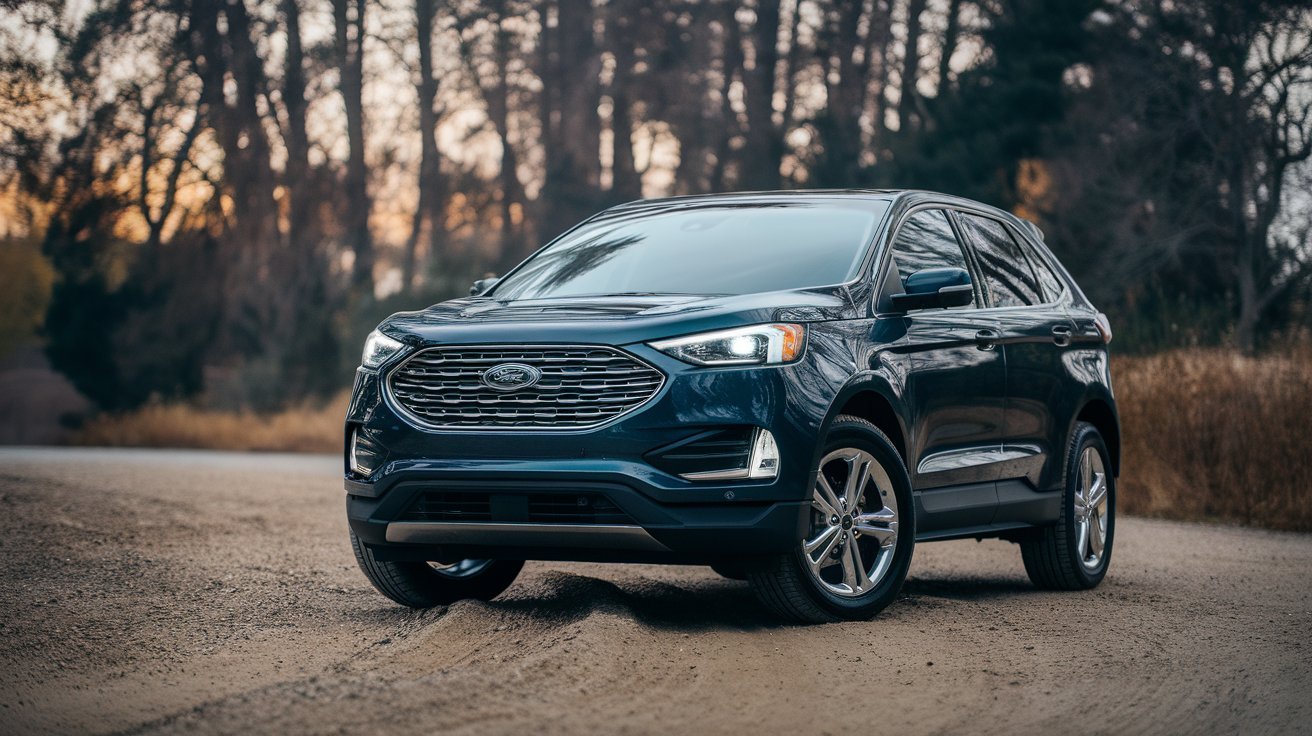
The Ford Edge AWD is a two-row midsize SUV that combines practical passenger space, turbocharged power, comfortable highway manners, and an all-wheel-drive system designed to improve traction when road conditions become challenging. Although the Edge is no longer part of Ford’s current U.S. lineup, it remains relevant in 2026 as a used SUV, particularly for drivers looking for a relatively spacious vehicle with standard or widely available AWD.
The final North American Edge model year was 2024, and the vehicle was discontinued afterward. The 2024 Edge range included the SE, SEL, ST-Line, Titanium, and performance-oriented ST, with AWD configurations throughout the lineup.
For used-car shoppers, the Ford Edge AWD remains worth understanding because different versions offer substantially different engines and driving characteristics. The mainstream models use a 2.0-liter EcoBoost turbocharged four-cylinder, while the Edge ST uses a 2.7-liter twin-turbocharged V6.
Ford Edge AWD Powertrain and Performance
The standard engine in the later Ford Edge AWD is a 2.0-liter turbocharged four-cylinder producing approximately 250 horsepower and 275 lb-ft of torque. It is paired with an eight-speed automatic transmission. EPA-rated fuel economy for the 2024 Edge AWD 2.0-liter configuration is approximately 21 mpg city and 28 mpg highway, with 23 mpg combined.
This engine provides enough torque for everyday commuting, highway acceleration, and family-oriented driving. The turbocharger also gives the Edge useful low- and mid-range pulling power without requiring a large-displacement engine.
The performance-focused Ford Edge ST AWD uses a 2.7-liter twin-turbocharged V6. It produces 335 horsepower and is paired with a seven-speed automatic transmission. The ST also receives performance-oriented suspension and chassis equipment, making it substantially different from the standard four-cylinder versions.
For buyers who prioritize stronger acceleration, the ST is the distinctive performance option within the final Edge lineup. For buyers primarily interested in comfort, efficiency, and practical transportation, the 2.0-liter AWD models offer a more conventional SUV experience.
How the Ford Edge AWD System Works
The all-wheel-drive system is one of the major reasons drivers choose the Ford Edge. Ford describes its AWD system as automatically distributing power to all four wheels when additional traction is needed, without requiring the driver to manually engage the system.
This can be useful on wet roads, loose surfaces, and other low-traction conditions. AWD can also help the vehicle maintain traction when accelerating, particularly when the road surface is uneven or slippery.
However, AWD should not be confused with a system that makes a vehicle immune to difficult conditions. Ford’s owner’s documentation specifically notes that AWD can improve acceleration in low-traction situations but does not allow a vehicle to stop faster than a comparable two-wheel-drive vehicle. Appropriate tires, sensible speeds, and careful driving remain important.
Tire compatibility is especially important. Ford warns that using different-sized tires can potentially damage or disable the AWD system. Keeping all four tires appropriately matched is therefore an important part of maintaining an AWD Edge.
Ford Edge AWD Interior, Seating, and Cargo Space
The Ford Edge is a five-seat SUV, making it a practical alternative for buyers who want more interior room than a compact crossover but do not require a third row.
The later Edge provides approximately 40.6 inches of rear legroom, while cargo capacity reaches 39.2 cubic feet behind the rear seats and approximately 73.4 cubic feet with the rear seats folded.
That cargo flexibility makes the Edge useful for groceries, luggage, sports equipment, family travel, and larger everyday items. The two-row layout also gives rear passengers considerably more usable space than many smaller crossovers.
Depending on trim and model year, the interior can include leather or leatherette seating surfaces, heated seats, premium audio equipment, dual-zone climate control, a large central touchscreen, and other comfort features.
One consideration for 2026 buyers is that the Edge’s cabin design dates back several years. Contemporary reviews have noted that the interior layout and some technology can feel older compared with newer competitors.
Ford Edge AWD Trims and Features
The final-generation Edge offered several AWD trims, allowing buyers to choose between mainstream comfort and performance-oriented equipment.
The Edge SE AWD served as the entry point, using the 2.0-liter turbocharged four-cylinder engine and eight-speed automatic transmission. The SEL AWD added additional convenience and comfort equipment, while the ST-Line AWD introduced sportier styling without using the high-output V6.
The Titanium AWD focused more heavily on premium equipment and upscale interior features. At the top of the lineup, the Edge ST AWD combined the 2.7-liter twin-turbo V6 with performance-focused hardware.
Because these trims can differ significantly in equipment, used buyers should compare the actual vehicle’s VIN-specific equipment rather than assuming that every Edge AWD has identical features.
Ford Edge AWD Towing and Practical Capability
The Edge can also serve as a light-duty towing vehicle when properly equipped. Ford’s 2024 towing guide lists up to 3,500 pounds of maximum loaded trailer weight for properly configured Edge models. The 2.0-liter AWD version requires the appropriate Class II Trailer Tow Package to reach the 3,500-pound rating, while the Edge ST’s configuration is rated for the same maximum trailer weight with its towing equipment.
The towing rating makes the Edge useful for smaller trailers, recreational equipment, and other moderate loads. Buyers should always check the vehicle’s specific equipment and towing rating before attaching a trailer.
For everyday utility, the combination of five-passenger seating, substantial cargo capacity, AWD, and available towing capability makes the Edge a versatile used SUV.
Ford Edge AWD Reliability and Maintenance Considerations
Anyone purchasing a used Ford Edge AWD in 2026 should pay close attention to maintenance records. Regular oil changes, proper tire maintenance, brake service, cooling-system care, and transmission maintenance can all influence long-term ownership.
AWD adds additional mechanical components, so buyers should pay attention to warning messages, unusual noises, vibration, or changes in drivetrain behavior during a test drive. Ford’s owner’s manual identifies situations in which the AWD system can temporarily disable itself to protect against overheating or other conditions.
There have also been model-specific technical issues documented by Ford and the National Highway Traffic Safety Administration. For example, NHTSA-hosted Ford Technical Service Bulletin 24-2199 concerns certain 2024 Edge 2.0-liter AWD vehicles experiencing fuel-tank filling, starting, or stalling symptoms after refueling because of a potentially disconnected vapor line.
This does not mean every Edge has the issue, but it demonstrates why checking the vehicle’s VIN, service history, technical bulletins, and recall status is important before purchasing a used example.
A professional pre-purchase inspection can also identify leaks, worn suspension components, drivetrain problems, tire mismatches, and other issues that may not be obvious during a short test drive.
Is the Ford Edge AWD Still Available in 2026?
In the United States, the Ford Edge is no longer being produced. 2024 was the final U.S. model year, after which Ford discontinued the Edge for the North American market.
That means someone searching for a Ford Edge AWD in 2026 will generally be shopping in the used-vehicle market rather than ordering a new one from a Ford dealer.
The end of production can make model-year selection particularly important. A 2024 Edge is the newest North American example, while older Edge models can offer substantially different engines, equipment, and technology depending on their generation.
Frequently Asked Questions About Ford Edge AWD
Is the Ford Edge AWD?
Yes. The final-generation Ford Edge was offered with all-wheel drive, and the 2023 and 2024 North American Edge lineups used AWD across their trim ranges.
How much horsepower does the Ford Edge AWD have?
The standard 2.0-liter EcoBoost produces 250 horsepower, while the Edge ST’s 2.7-liter twin-turbo V6 produces 335 horsepower.
How much can a Ford Edge AWD tow?
A properly equipped Edge can tow up to 3,500 pounds, depending on configuration and towing equipment.
How many people can the Ford Edge seat?
The Ford Edge is a five-seat, two-row SUV. It provides useful rear-seat space while retaining substantial cargo capacity.
Is the Ford Edge still made in 2026?
No. The 2024 model year was the final U.S. Ford Edge, so 2026 shoppers will need to consider used examples.
Conclusion
The Ford Edge AWD remains an interesting used-SUV option in 2026 because it combines a spacious five-passenger cabin, useful cargo capacity, turbocharged engines, automatic AWD, and available towing capability. The standard 2.0-liter EcoBoost provides 250 horsepower, while the performance-oriented Edge ST delivers 335 horsepower from its 2.7-liter twin-turbo V6.
The AWD system can provide additional traction in low-grip conditions, while the Edge’s two-row layout offers up to 73.4 cubic feet of cargo capacity with the rear seats folded.
For 2026 buyers, the most important considerations are vehicle condition, maintenance history, tire matching, AWD operation, engine choice, trim equipment, towing requirements, and VIN-specific service information. Since the Edge has ended production in the U.S., careful inspection is especially important when comparing used examples from different model years.

Lexus Key Fob Battery: Replacement, Signs, Cost and Complete 2026 Guide

BMW M440i Gran Coupe 2026: Performance, Features, Interior, and Specifications

Charlie Kirk Shooting YouTube: What the Videos Show and How to Verify Information

Samantha Struthers Rader: Biography, Career, Family, and the Inspiring Journey of Dr. Sam

Stacie Zabka: Everything You Need to Know About William Zabka’s Wife

Ryan Kiera Armstrong: Biography, Movies, TV Shows, Career, Family, and Latest Updates (2026 Guide)
 News3 months ago
Samantha Struthers Rader: Biography, Career, Family, and the Inspiring Journey of Dr. Sam
- celebrity3 months ago
Stacie Zabka: Everything You Need to Know About William Zabka’s Wife
- celebrity2 months ago
Ryan Kiera Armstrong: Biography, Movies, TV Shows, Career, Family, and Latest Updates (2026 Guide)
- celebrity2 months ago
Brecken Merrill Parents: Everything About His Family Background, Childhood, and Support System
- celebrity2 months ago
Priscilla Love Vanwinkle: Biography, Background, Family Connections, and Personal Story
- celebrity2 months ago
Imogen Lucie Age: Biography, Career, Height, Family, Net Worth, and Social Media (2026 Guide)
- Blog2 months ago
@RedandWhiteMagz.com: A Complete Guide to the Digital Magazine and Blog in 2026
- celebrity3 months ago
Caleb James Goddard: Everything You Need to Know About Jack Nicholson’s Son